Ferroelectric memory
We engineer switchable polarization, interfaces, and capacitor stacks for fast, low-voltage, and nonvolatile information storage.
 Extreme Power & Integrated Devices Laboratory
Research 03 · Advanced memory devices
EPID develops memory devices in which polarization, quantum tunneling, field-effect control, and electrochemical ion motion become programmable physical states. We connect materials and interfaces to low-power computing, adaptive electronics, and sustainable systems.
Overview
Our research spans charge-free polarization switching, tunneling barriers, transistor memory, and ion-driven resistance. Across every platform, we control the active material, its interfaces, and the electrical history that defines a reliable state.
We engineer switchable polarization, interfaces, and capacitor stacks for fast, low-voltage, and nonvolatile information storage.
Nanometer-scale ferroelectric barriers translate polarization reversal into a large tunneling electroresistance window.
Ferroelectric gate stacks program the channel threshold, combining memory and transistor gain in a scalable device.
Transient materials and electrochemical switching create programmable resistance for sustainable, implantable, and disposable systems.
01 · Ferroelectric memory
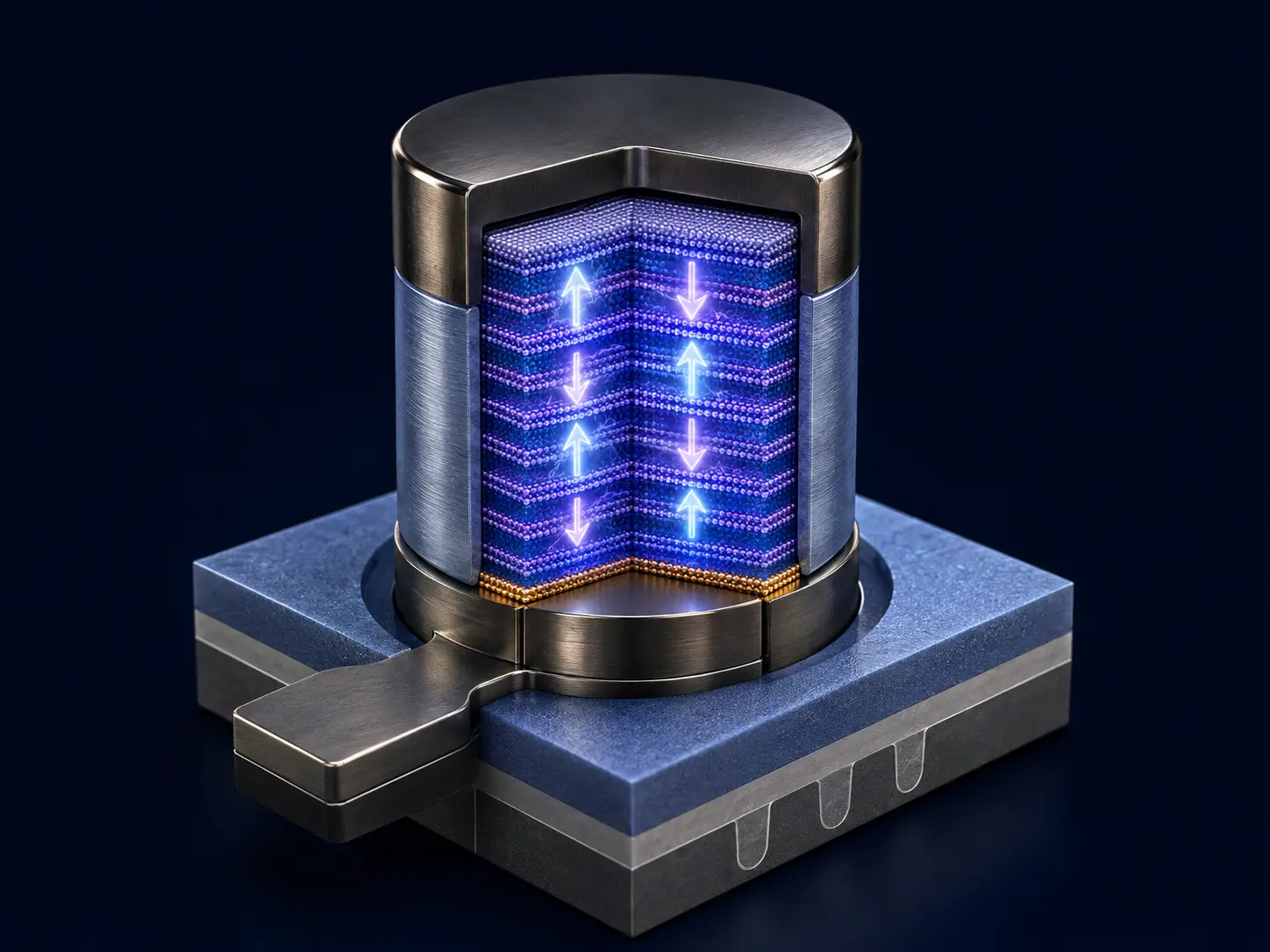
Metal–ferroelectric–metal and metal–ferroelectric–insulator stacks store information in two stable polarization orientations. We study phase formation, electrode symmetry, depolarization field, domain dynamics, and defect-mediated wake-up or fatigue.
02 · Ferroelectric tunnel junction
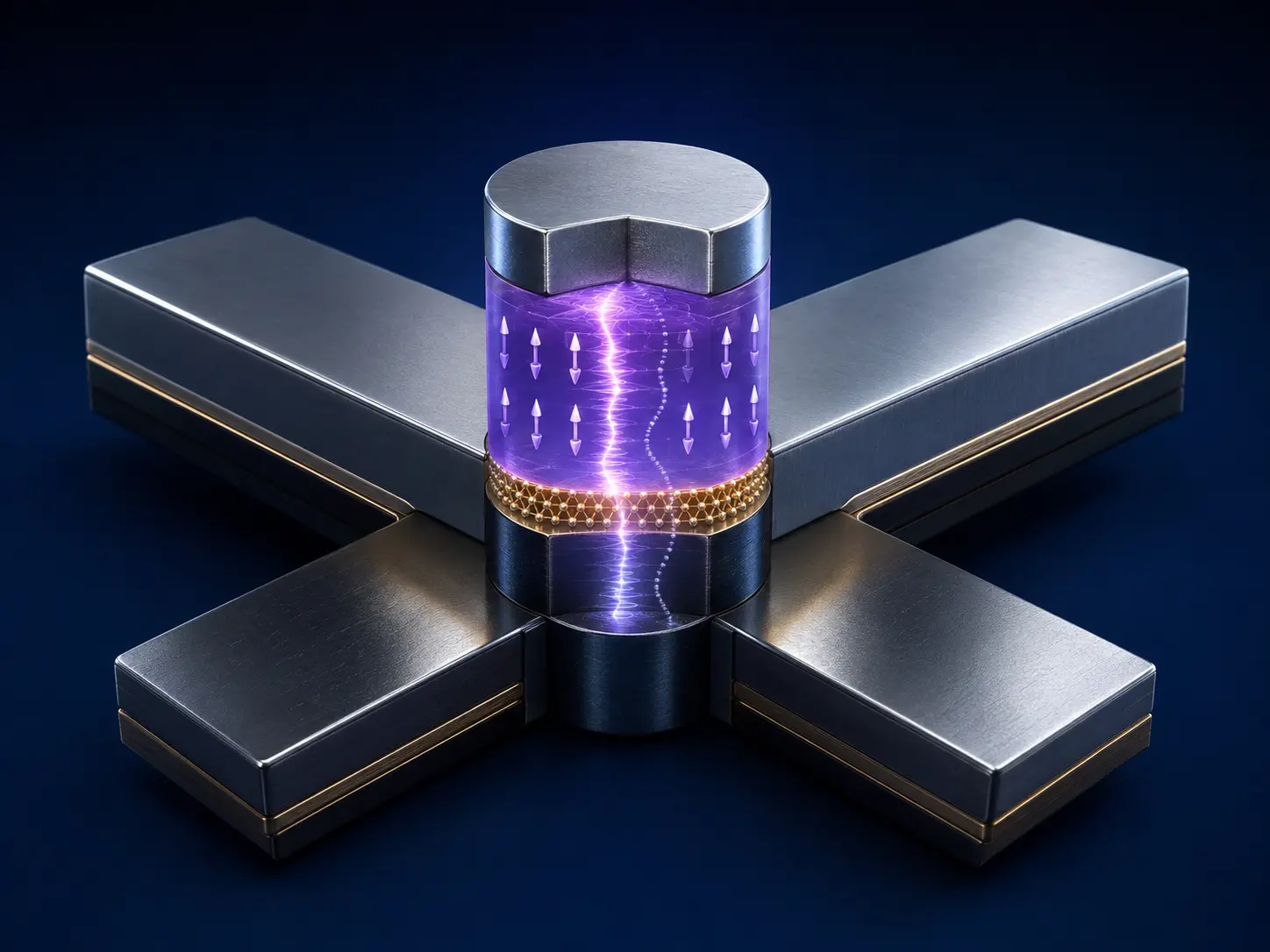
In an FTJ, polarization changes the electrostatic potential across an ultrathin barrier. The resulting tunneling electroresistance provides nondestructive readout, compact two-terminal cells, and analog conductance for in-memory computation.
03 · Ferroelectric FET
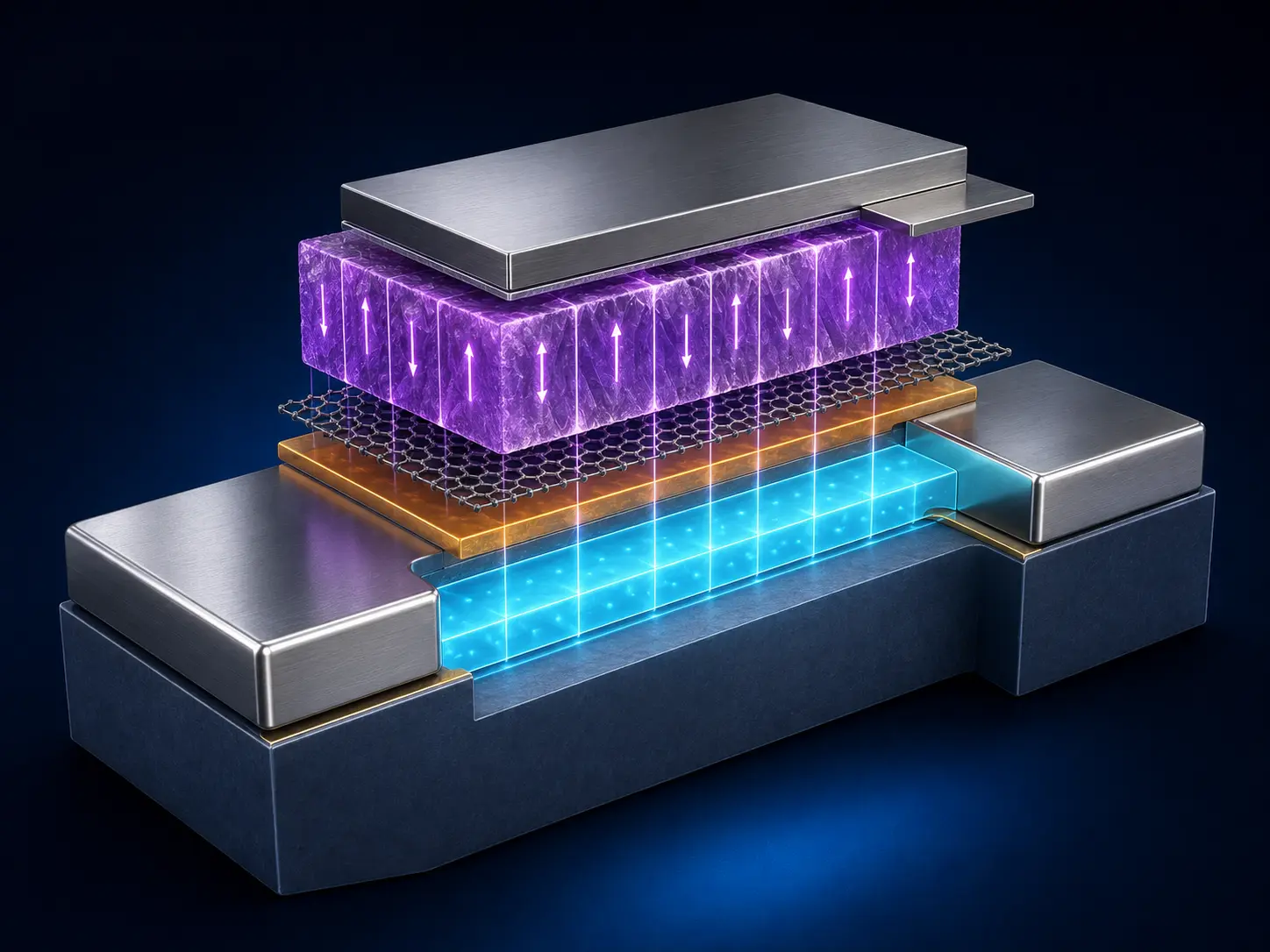
A FeFET stores polarization in the gate stack and reads it as a persistent threshold-voltage shift. We co-optimize the ferroelectric, interfacial dielectric, channel, and pulse scheme for a wide and stable memory window.
04 · Biodegradable electrochemical RRAM
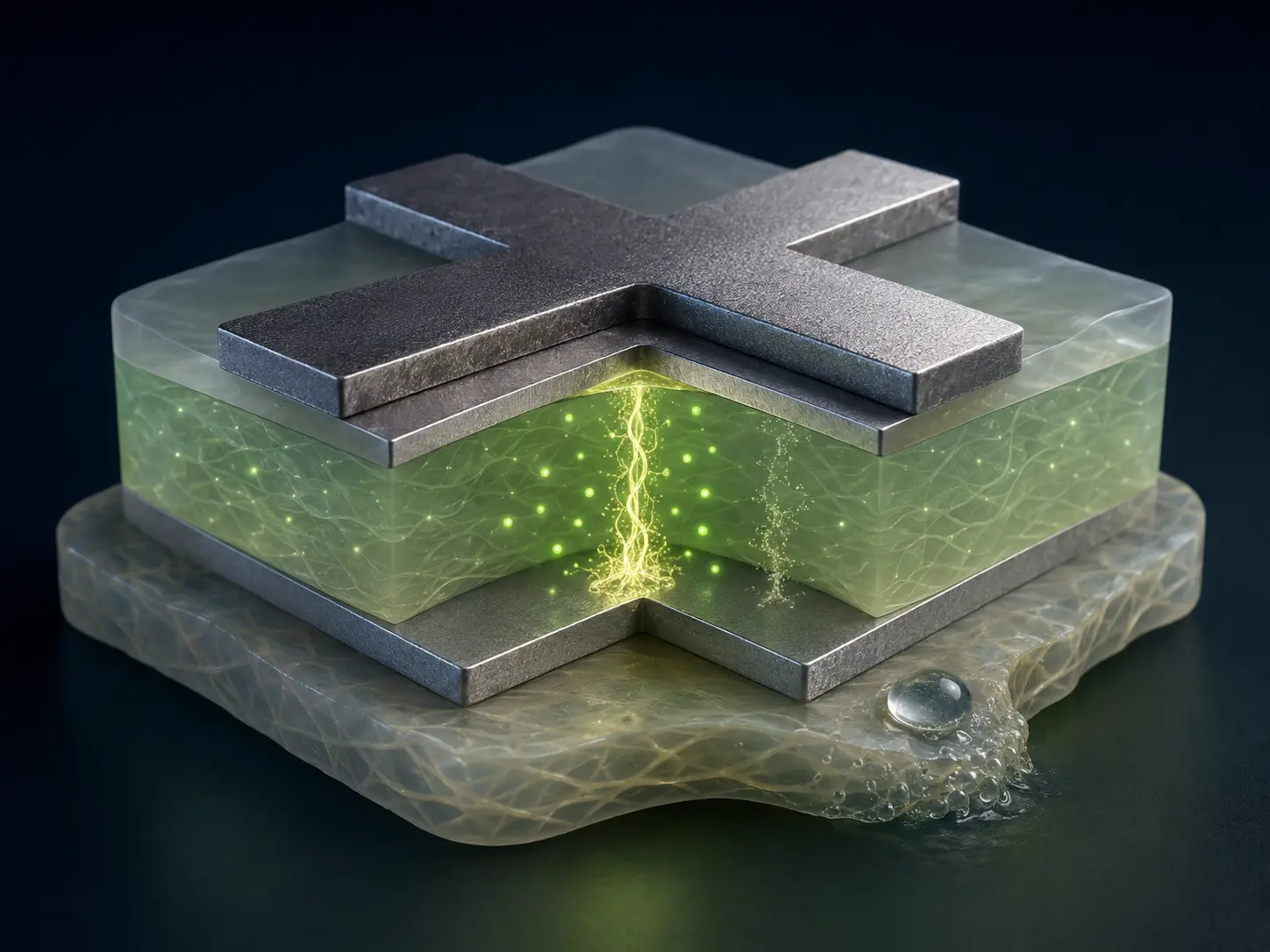
Electrochemical metallization forms and dissolves a nanoscale conductive path inside a biodegradable switching medium. Our W/Mg/PVP/Mg platform on chitosan combines nonvolatile or analog resistance with a controlled physical lifetime.
Materials to memory
Electrical behavior becomes meaningful only when it is connected to structure, chemistry, interfaces, and time-dependent degradation.
P–E, PUND, switching-current, and pulse measurements separate genuine polarization from leakage and trapping.
I–V–T, area scaling, and barrier analysis identify tunneling, injection, filamentary, and interface-limited conduction.
XRD, AFM, XPS, and TEM connect phase, texture, chemistry, thickness, and interfaces to electrical behavior.
Endurance, retention, imprint, wake-up, fatigue, variability, and environmental degradation define the usable window.
Research direction
Join EPID
We welcome students and researchers interested in ferroelectric materials, tunnel junctions, FeFETs, electrochemical RRAM, transient electronics, and integrated memory systems.
Contact EPID ↗